
Victorian Roof Tiles in Essex
Heritage Tiles: Emblematic of the finest craftsmanship
Heritage tiles are the professional roofer's choice for the highest quality clay roof tiles. We pride ourselves in manufacturing, stocking, and delivering the very finest in prestige clay roof tiles.
Heritage Tiles have several tile ranges that satisfy every architectural requirement. Vintage and historic properties right up to modern new builds are covered by the diverse range of clay roof tiles that we stock.
So, whether you are in the building trade, or simply wish to choose your own tiles, Heritage Tiles have the right product for your specific requirements.
What Heritage Tiles have to offer our customers?
- We offer specification and technical solutions to help you achieve the perfect build.
- We also offer expert design advice to all our customers.
- We are happy to engage in site visits with our clients.
- We have stockists and distributors throughout the United Kingdom to ensure that we can provide our expert service to a wider area.
- We can provide estimated quantities from plans supplied by our clients.
- We offer battening plans.
- We can deliver a standard and bespoke colour choice for our clay tile products.
- All our tiles are assessed and approved by Lucideon.
- We provide a nationwide delivery and collection service.
The ranges of clay roof tiles we supply.
The Clayhall Range of roof tiles:
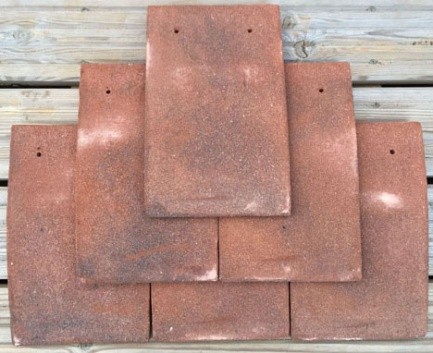
Clayhall Medium Blend - Carefully crafted to replicate all the features of handmade the Clayhall hand crafted range of tiles offers an excellent alternative when budget restrictions are a concern, but without compromising quality or durability.
Clayhall Dark Blend - Quality and durability in a budget clay roof tile. The Clayhall dark blend is sure to turn heads.
Clayhall Red Blend - A beautiful rustic clay roof tile. The Clayhall red blend is a firm favourite with our customers.
Clayhall Hamlet Mix - The Clayhall Hamlet mix is a gorgeous light and sandy looking clay roof tile that is a perennial favourite in the building trade.
Clayhall Birchwood Mix - The Clayhall Birchwood mix offers a gorgeous blend of lighter and darker shades in this diverse clay roof tile. If you are concerned that your roof tiles could look monotonous, the Clayhall Birchwood mix is the clay roof tile to choose.
The Conservation Range of roof tiles
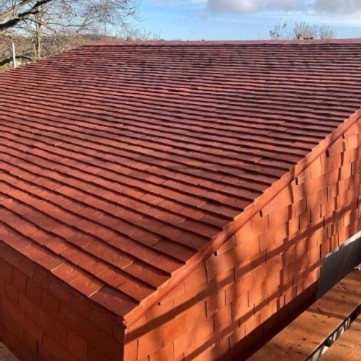
The Conservation range of roof tiles are available in a range of distinctive colours, created by using a very fine sand, The Conservation Weathered; A natural warm tone, achieving an instant mellow and settled look and The Conservation Red; perfect for vertical tiling especially suited for villages and hamlets with olde world vernacular charm.
Manufactured using high quality clay, achieving high strength and durability properties, giving homeowners and contractors peace of mind for many years to come. The conservation range comes with a complete set of associated fittings, including Hog Back Ridge, Half Round Ridge, Bonnet Hips, Valley tiles and External Angles.
The Conservation range of clay roof tiles comes in the following variations:
- Conservation Red
- Conservation Weathered
- Conservation Dark
Conservation Peg Tile
Plain clay roofing tiles laid to a double lap have been used for roof covering in England since before the Norman Conquest and tiles dating back to Roman Times have been discovered under excavation. From the outset clay plain tiles were made incorporating fixing features.
The Classic Edwardian roof tile
The Classic range of plain tiles is one of the finest ranges of clay tiles.
We source only the best raw materials for our craftsman to create beautifully handmade clay tiles of the highest quality and durability.
Tile Fittings available from Heritage Tiles
There are many fittings that are available from us a Heritage Tiles to complete your build to perfection. We stock and supply the following:
- Gable Tile
- Eave Tile
- Baby Porch Ridge
- 90 Degree Ext. Angle
- Universal Bonnet Hip
- Half Round Ridge
- Hogs Back Ridge
- Mono Ridge
- Third Round Ridge
- Universal Valley
- Ornamental Club
- Bat Tile Set
Bat Tiles:
Provide help for our bats with our range of bat friendly roof tiles.
Did you know that all UK bats and their roosts are protected by law? The Wildlife and Countryside Act introduced in 1981, gave legal protection to all bat species and their roosts in England.
Distinct species of bats prefer differing places to roost. The two most usually found species of bat in the UK are the Pipistrelle and Brown Long-Eared Bat. Pipistrelle prefer confined spaces such as under tiles on roofs and hanging spaces. The Brown Long-Eared Bat prefer roof timbers and ridges inside lofts. Heritage Clay Tiles can provide purpose made access points within your roof tiles or ridge tiles. The Bat Tile Set can form part of a mitigation package required by law for existing roosts or as potential access where a roost had not previously been present.
Select a Blend
Getting the right blend for your roofing project can feel daunting, but with our blend generator you can mix and match various blends of tiles to achieve the perfect blend.
Click here to make use of our online tool to choose your own unique blend.
Because our strict quality control provides a consistent tile size you can mix assorted styles and colours of tiles to make your roof unique to you. Please use the tool below to experiment with various blends.
Adjust the sliders to set the ingredients for your desired blend then click on the update mix button.
Alternatively click on any blend or tile to display it.
Whatever type of clay roof tile you want, Heritage Tiles will be able to help.
Victorian Roof Tiles
When you want true quality, Heritage Clay Tiles Ltd have you covered! We are proud to introduce the classic Victorian roof tile. An absolutely gorgeous roof tile of outstanding durability and quality that is hand made by our dedicated team of craftsmen.
The Classic range of Victorian roof tiles is one of the finest ranges of clay tiles available to buy today. We source only the very best raw materials for our superb craftsmen to create a beautifully hand formed Victorian roof tile of the highest quality and durability. The process is rigorously monitored and checked continuously in our factory to ensure that our standards are strictly adhered to before being offered for sale to our customers.
Our Victorian roof tile is suitable for all new build and renovation projects, the Victorian roof tile offers supreme durability, quality and aesthetic beauty and character to all types of pitched roofs.
A Victorian roof tile to enhance any property
Our Victorian roof tile is of such high quality, you will be amazed at how reasonably priced it is. When you consider the quality and superb looks that will be achieved with this premium roof tile, you will wonder why we don't charge more for this fantastic product.
When a property requires the very best in quality and durability, Heritage Clay Tiles Ltd will have you covered from the very start of the building process. Our Victorian roof tile will set any property apart from the rest and offer a naturally beautiful finish to the property.
The Classic range of plain tiles is one of the very finest ranges of clay tiles available on the roofing market today. Heritage Clay Tiles Ltd source only the best raw materials so that our craftsmen can create beautifully hand formed clay tiles of the highest quality and durability.
Victorian roof tile: Quality control to be proud of
The manufacturing process of our Victorian roof tile is rigorously monitored and checked continuously in the factory to ensure that our standards are strictly adhered to before undergoing further stringent tests by Lucideon Building Technology. This way the builder and end user are assured the very finest clay roof tiles available.
The Victorian roof tile forms part of the classic range of quality clay roof tiles from Heritage Clay Tiles Ltd. Builders and their clients alike will love the simplicity and understated beauty of these wonderful handmade roof tiles.
Why not look through our website and use the select a blend function to see exactly what your roof will look like when the job is complete. Simply select the percentage of the tiles you like with the simple slider and place your order.
A little information about Essex
The Anglo-Saxon period in Essex
The name of Essex originates in the Anglo-Saxon period of the Early Middle Ages and has its root in the Anglo-Saxon, Old English name Eastseaxe, meaning the 'East Saxons', the eastern kingdom of the Saxons who had come from the continent and settled in Britain. Excavations at Mucking in Essex have demonstrated the presence of Anglo-Saxon settlers in the early fifth century, however the way in which these settlers became ascendent in the territory of the Trinovantes is not known. Further studies of the Essex area would indicate a pattern of typically peaceful co-existence, with the structure of the Romano-British landscape being maintained, and with the Saxon settlers believed to have been in the minority in the Essex area.
A royal first for Essex
The first known king of the East Saxons was Sledd in 587, though there are less reliable sources giving an account of Aescwine founding the kingdom of Essex in 527. The early kings of the East Saxons were pagan and uniquely amongst the Anglo-Saxon kingdoms traced their lineage back to Seaxneat, god of the Saxons, rather than Woden. The ancient kings of Essex are notable for their S-nomenclature, all of their names begin with the letter S.
The old Kingdom of the East Saxons included not just the eventual county of Essex, but also played host to Middlesex, which included the City of London, much of Hertfordshire and at times also the sub-Kingdom of Surrey. The Middlesex and Hertfordshire parts were known as the Province of the Middle Saxons since at least the early eighth century, but it is not known if the province was previously an independent unit that came under East Saxon control. Charter evidence clearly shows that the original Kings of Essex appear to have had a much greater control in the core area, east of the river Lea and Stort, that would eventually become the modern-day county of Essex. In the core area they granted charters freely, but further west they did so while also referring to their Mercian overlords.
Essex had pagan kings
The early kings of Essex were pagan, together with much and perhaps by this time all of the population. Sledd's son Sebert converted to Christianity around 604 and St Paul's Cathedral in London was established. On Sebert's death in 616 his sons renounced Christianity and drove out Mellitus, the Bishop of London. The kingdom of Essex re-converted after St Cedd, a monk from Lindisfarne and now the patron saint of Essex, converted Sigeberht II the Good around 653.
In AD 824, Ecgberht, the King of the Wessex and grandfather of Alfred the Great, defeated the Mercians at the Battle of Ellandun in Wiltshire, fundamentally changing the balance of power in southern England. The small kingdoms of Essex, Sussex and of Kent, previously independent albeit under Mercian overlordship, were subsequently fully absorbed into Wessex.
Viking battles in Essex
The later Anglo-Saxon period shows three major battles fought with the Norse recorded in Essex: The Battle of Benfleet in 894, the Battle of Maldon in 991 and the Battle of Assandun in 1016. The county of Essex was formed from the core area, east of the River Lea, of the former Kingdom of the East Saxons in the 9th or 10th centuries and divided into groupings called hundreds. Before the Norman Conquest, the East Saxons were subsumed into the Kingdom of England.
After the Norman Conquest in Essex
After taking England, William the Conqueror initially based himself at Barking Abbey in Essex for several months while a secure base, which eventually became the Tower of London, could be established in the city. While at the Essex location of Barking William received the submission of some of England's leading nobles. The invaders established a number of castles in Essex, to help protect the new elites in a hostile country. There were several Essex castles at Colchester, Castle Hedingham, Rayleigh, Pleshey and elsewhere. Hadleigh Castle was developed much later, in the thirteenth century.
After the arrival of the Normans, the Forest of Essex was established as a royal forest. There was a weak correlation between the area covered by the Forest of Essex, which was the vast majority of the county of Essex at that time and the much smaller area covered by woodland. An analysis of Domesday returns for Essex has shown that the Forest of Essex was mostly farmland, and that Essex as a whole was around twenty percent wooded in 1086. In 1218, Chelmsford became the county town of Essex.
After that point population growth in Essex caused the proportion of woodland to fall steadily until the arrival of the devastating Black Death, in 1348, which killed between a third and a half of England's population, leading to a long-term stabilisation of the extent of woodland. Similarly, various pressures led to areas being removed from the legal Forest of Essex and it ceased to exist as a legal entity after 1327, and after that time Forest Law applied to smaller areas, such as the forests of Writtle near Chelmsford, long lost Kingswood near Colchester, Hatfield, and Waltham Forest, that were all situated within the county of Essex.
Products available from Heritage Clay Tiles Ltd in East Sussex
Clay Roof Tiles in East Sussex
Clayhall Roof Tiles in East Sussex
Conservation Peg Tiles in East Sussex
Conservation Roof Tiles in East Sussex
Edwardian Roof Tiles in East Sussex
Georgian Roof Tiles in East Sussex
Handmade Clay Tiles in East Sussex
Handmade Roof Tiles in East Sussex
High Quality Roof Tiles in East Sussex
Traditional Clay Tiles in East Sussex
Traditional Roof Tiles in East Sussex
Victorian Roof Tiles in East Sussex
Products available from Heritage Clay Tiles Ltd in Essex
Conservation Peg Tiles in Essex
Conservation Roof Tiles in Essex
High Quality Roof Tiles in Essex
Traditional Clay Tiles in Essex
Traditional Roof Tiles in Essex
Products available from Heritage Clay Tiles Ltd in Hampshire
Clayhall Roof Tiles in Hampshire
Conservation Peg Tiles in Hampshire
Conservation Roof Tiles in Hampshire
Edwardian Roof Tiles in Hampshire
Georgian Roof Tiles in Hampshire
Handmade Clay Tiles in Hampshire
Handmade Roof Tiles in Hampshire
High Quality Roof Tiles in Hampshire
Traditional Clay Tiles in Hampshire
Traditional Roof Tiles in Hampshire
Victorian Roof Tiles in Hampshire
Products available from Heritage Clay Tiles Ltd in Hertfordshire
Clay Roof Tiles in Hertfordshire
Clayhall Roof Tiles in Hertfordshire
Conservation Peg Tiles in Hertfordshire
Conservation Roof Tiles in Hertfordshire
Edwardian Roof Tiles in Hertfordshire
Georgian Roof Tiles in Hertfordshire
Handmade Clay Tiles in Hertfordshire
Handmade Roof Tiles in Hertfordshire
High Quality Roof Tiles in Hertfordshire
Traditional Clay Tiles in Hertfordshire
Traditional Roof Tiles in Hertfordshire
Victorian Roof Tiles in Hertfordshire
Products available from Heritage Clay Tiles Ltd in Kent
Conservation Peg Tiles in Kent
Conservation Roof Tiles in Kent
High Quality Roof Tiles in Kent
Traditional Clay Tiles in Kent
Traditional Roof Tiles in Kent
Products available from Heritage Clay Tiles Ltd in London
Conservation Peg Tiles in London
Conservation Roof Tiles in London
Edwardian Roof Tiles in London
High Quality Roof Tiles in London
Traditional Clay Tiles in London
Traditional Roof Tiles in London
Victorian Roof Tiles in London
Products available from Heritage Clay Tiles Ltd in Surrey
Conservation Peg Tiles in Surrey
Conservation Roof Tiles in Surrey
Edwardian Roof Tiles in Surrey
High Quality Roof Tiles in Surrey
Traditional Clay Tiles in Surrey
Traditional Roof Tiles in Surrey
Victorian Roof Tiles in Surrey
Products available from Heritage Clay Tiles Ltd in West Sussex
Clay Roof Tiles in West Sussex
Clayhall Roof Tiles in West Sussex
Conservation Peg Tiles in West Sussex
Conservation Roof Tiles in West Sussex
Edwardian Roof Tiles in West Sussex
Georgian Roof Tiles in West Sussex
Handmade Clay Tiles in West Sussex
Handmade Roof Tiles in West Sussex
High Quality Roof Tiles in West Sussex
Traditional Clay Tiles in West Sussex
Traditional Roof Tiles in West Sussex
Victorian Roof Tiles in West Sussex
Products available from Heritage Clay Tiles Ltd in Bedfordshire
Clay Roof Tiles in Bedfordshire
Clayhall Roof Tiles in Bedfordshire
Conservation Peg Tiles in Bedfordshire
Conservation Roof Tiles in Bedfordshire
Edwardian Roof Tiles in Bedfordshire
Georgian Roof Tiles in Bedfordshire
Handmade Clay Tiles in Bedfordshire
Handmade Roof Tiles in Bedfordshire
High Quality Roof Tiles in Bedfordshire
Traditional Clay Tiles in Bedfordshire
Products available from Heritage Clay Tiles Ltd in Berkshire
Clayhall Roof Tiles in Berkshire
Conservation Peg Tiles in Berkshire
Conservation Roof Tiles in Berkshire
Edwardian Roof Tiles in Berkshire
Georgian Roof Tiles in Berkshire
Handmade Clay Tiles in Berkshire
Handmade Roof Tiles in Berkshire
High Quality Roof Tiles in Berkshire
Traditional Clay Tiles in Berkshire
Products available from Heritage Clay Tiles Ltd in Buckinghamshire
Clay Roof Tiles in Buckinghamshire
Clayhall Roof Tiles in Buckinghamshire
Conservation Peg Tiles in Buckinghamshire
Conservation Roof Tiles in Buckinghamshire
Edwardian Roof Tiles in Buckinghamshire
Georgian Roof Tiles in Buckinghamshire
Handmade Clay Tiles in Buckinghamshire
Handmade Roof Tiles in Buckinghamshire
High Quality Roof Tiles in Buckinghamshire
Traditional Clay Tiles in Buckinghamshire
Products available from Heritage Clay Tiles Ltd in Cambridgeshire
Clay Roof Tiles in Cambridgeshire
Clayhall Roof Tiles in Cambridgeshire
Conservation Peg Tiles in Cambridgeshire
Conservation Roof Tiles in Cambridgeshire
Edwardian Roof Tiles in Cambridgeshire
Georgian Roof Tiles in Cambridgeshire
Handmade Clay Tiles in Cambridgeshire
Handmade Roof Tiles in Cambridgeshire
High Quality Roof Tiles in Cambridgeshire
Traditional Clay Tiles in Cambridgeshire
Traditional Roof Tiles in Cambridgeshire
Victorian Roof Tiles in Cambridgeshire
Products available from Heritage Clay Tiles Ltd in Oxfordshire
Clay Roof Tiles in Oxfordshire
Clayhall Roof Tiles in Oxfordshire
Conservation Peg Tiles in Oxfordshire
Conservation Roof Tiles in Oxfordshire
Edwardian Roof Tiles in Oxfordshire
Georgian Roof Tiles in Oxfordshire
Handmade Clay Tiles in Oxfordshire
Handmade Roof Tiles in Oxfordshire
High Quality Roof Tiles in Oxfordshire
Traditional Clay Tiles in Oxfordshire
Products available from Heritage Clay Tiles Ltd in Suffolk
Clayhall Roof Tiles in Suffolk
Conservation Peg Tiles in Suffolk
Conservation Roof Tiles in Suffolk
Edwardian Roof Tiles in Suffolk
Georgian Roof Tiles in Suffolk
Handmade Clay Tiles in Suffolk
Handmade Roof Tiles in Suffolk
High Quality Roof Tiles in Suffolk
Traditional Clay Tiles in Suffolk
Traditional Roof Tiles in Suffolk
Victorian Roof Tiles in Suffolk
Further Information
If you would like to know more or are interested in a quote we would be happy to help. Phone us on 01634 471 344, email us at sales@heritagetiles.co.uk and we will be in touch as soon as possible.