
Conservation Peg Tiles in London
Heritage Tiles: Emblematic of the finest craftsmanship
Heritage tiles are the professional roofer's choice for the highest quality clay roof tiles. We pride ourselves in manufacturing, stocking, and delivering the very finest in prestige clay roof tiles.
Heritage Tiles have several tile ranges that satisfy every architectural requirement. Vintage and historic properties right up to modern new builds are covered by the diverse range of clay roof tiles that we stock.
So, whether you are in the building trade, or simply wish to choose your own tiles, Heritage Tiles have the right product for your specific requirements.
What Heritage Tiles have to offer our customers?
- We offer specification and technical solutions to help you achieve the perfect build.
- We also offer expert design advice to all our customers.
- We are happy to engage in site visits with our clients.
- We have stockists and distributors throughout the United Kingdom to ensure that we can provide our expert service to a wider area.
- We can provide estimated quantities from plans supplied by our clients.
- We offer battening plans.
- We can deliver a standard and bespoke colour choice for our clay tile products.
- All our tiles are assessed and approved by Lucideon.
- We provide a nationwide delivery and collection service.
The ranges of clay roof tiles we supply.
The Clayhall Range of roof tiles:
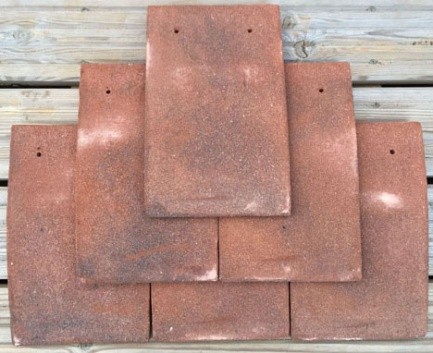
Clayhall Medium Blend - Carefully crafted to replicate all the features of handmade the Clayhall hand crafted range of tiles offers an excellent alternative when budget restrictions are a concern, but without compromising quality or durability.
Clayhall Dark Blend - Quality and durability in a budget clay roof tile. The Clayhall dark blend is sure to turn heads.
Clayhall Red Blend - A beautiful rustic clay roof tile. The Clayhall red blend is a firm favourite with our customers.
Clayhall Hamlet Mix - The Clayhall Hamlet mix is a gorgeous light and sandy looking clay roof tile that is a perennial favourite in the building trade.
Clayhall Birchwood Mix - The Clayhall Birchwood mix offers a gorgeous blend of lighter and darker shades in this diverse clay roof tile. If you are concerned that your roof tiles could look monotonous, the Clayhall Birchwood mix is the clay roof tile to choose.
The Conservation Range of roof tiles
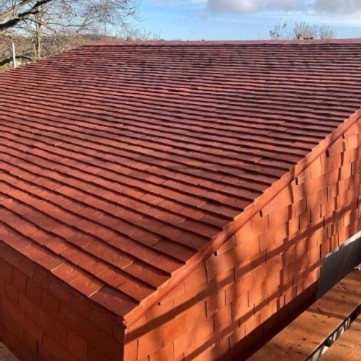
The Conservation range of roof tiles are available in a range of distinctive colours, created by using a very fine sand, The Conservation Weathered; A natural warm tone, achieving an instant mellow and settled look and The Conservation Red; perfect for vertical tiling especially suited for villages and hamlets with olde world vernacular charm.
Manufactured using high quality clay, achieving high strength and durability properties, giving homeowners and contractors peace of mind for many years to come. The conservation range comes with a complete set of associated fittings, including Hog Back Ridge, Half Round Ridge, Bonnet Hips, Valley tiles and External Angles.
The Conservation range of clay roof tiles comes in the following variations:
- Conservation Red
- Conservation Weathered
- Conservation Dark
Conservation Peg Tile
Plain clay roofing tiles laid to a double lap have been used for roof covering in England since before the Norman Conquest and tiles dating back to Roman Times have been discovered under excavation. From the outset clay plain tiles were made incorporating fixing features.
The Classic Edwardian roof tile
The Classic range of plain tiles is one of the finest ranges of clay tiles.
We source only the best raw materials for our craftsman to create beautifully handmade clay tiles of the highest quality and durability.
Tile Fittings available from Heritage Tiles
There are many fittings that are available from us a Heritage Tiles to complete your build to perfection. We stock and supply the following:
- Gable Tile
- Eave Tile
- Baby Porch Ridge
- 90 Degree Ext. Angle
- Universal Bonnet Hip
- Half Round Ridge
- Hogs Back Ridge
- Mono Ridge
- Third Round Ridge
- Universal Valley
- Ornamental Club
- Bat Tile Set
Bat Tiles:
Provide help for our bats with our range of bat friendly roof tiles.
Did you know that all UK bats and their roosts are protected by law? The Wildlife and Countryside Act introduced in 1981, gave legal protection to all bat species and their roosts in England.
Distinct species of bats prefer differing places to roost. The two most usually found species of bat in the UK are the Pipistrelle and Brown Long-Eared Bat. Pipistrelle prefer confined spaces such as under tiles on roofs and hanging spaces. The Brown Long-Eared Bat prefer roof timbers and ridges inside lofts. Heritage Clay Tiles can provide purpose made access points within your roof tiles or ridge tiles. The Bat Tile Set can form part of a mitigation package required by law for existing roosts or as potential access where a roost had not previously been present.
Select a Blend
Getting the right blend for your roofing project can feel daunting, but with our blend generator you can mix and match various blends of tiles to achieve the perfect blend.
Click here to make use of our online tool to choose your own unique blend.
Because our strict quality control provides a consistent tile size you can mix assorted styles and colours of tiles to make your roof unique to you. Please use the tool below to experiment with various blends.
Adjust the sliders to set the ingredients for your desired blend then click on the update mix button.
Alternatively click on any blend or tile to display it.
Whatever type of clay roof tile you want, Heritage Tiles will be able to help.
Conservation Peg Tiles
Colour Variations and Camber
The Heritage conservation peg tile comes in a range of gorgeous shades and subtle colours, from comforting warm reds and oranges to the more modern and cooler blue and grey hues often associated with modern builds. This subtle difference in shades and colours allows for a thoroughly unique and customised look that can complement any building's style and its surroundings.
Our conservation peg tile is slightly curved too, which gives a pleasing undulation to the roofline, again, a unique feature of this versatile peg tile. This characteristic curved appearance can genuinely enhance the visual interest of a building and create a natural flow to the roof. In, other words, the conservation peg tile affords a natural, never clinical finish to your property.
To sum up, the Heritage conservation peg tile offers a wide range of design and aesthetic benefits, from their unique and pleasing sandy texture and character to their colour variations and gorgeous slightly curved appearance. These sought after features make them an ever-popular choice for those who are looking to add that unique touch of individuality and charm to the roof of their property.
A little information about London
London has a vast array of period properties that often look out of place if modern roof tiles are used. At Heritage Clay Tiles Ltd, we understand the need to maintain our capital cities heritage and supply a wonderful range of clay roof tiles that are sympathetic to the age of the London properties in question.
London history: The Royal Menagerie in the Tower
There is some evidence that King John first started keeping wild animals at the London Tower in 1166. Animals were often gifted to the ruling monarch from this time.
The Royal Menagerie is frequently referenced during the reign of Henry III. Holy Roman Emperor Frederick II presented Henry with three leopards, in around 1235, which were kept in the London Tower. In 1252, the sheriffs were ordered to pay fourpence a day towards the upkeep of the Kings polar bear, a gift from Haakon IV of Norway. The bear attracted a lot of attention from London residents when it went fishing in the Thames while tied to the land by a chain.
Later, Henry III received an African elephant from Louis IX of France. A wooden structure was built to house the elephant. The animal died in 1258, possibly because it was given red wine, but also perhaps because of the cold climate of England.
In 1288, Edward I added a lion and a lynx and appointed the first official Keeper of the animals. Edward III added other types of animals, two lions, a leopard and two wildcats. Under future kings, the number of animals grew to include additional cats of various types, jackals, hyenas, and an old brown bear, Max, gifted to Henry VIII by Emperor Maximilian. In 1436, during the time of Henry VI, all the lions died and the employment of Keeper William Kerby was terminated.
Historical records indicate that a semi circular structure or barbican was built by Edward I in 1277; this area was later named the Lion Tower, to the immediate west of the Middle Tower. Records from 1335 indicate the purchase of a lock and key for the lions and leopards, also suggesting they were located near the western entrance of the Tower. By the 1500s that area was called the Menagerie. By 1604 the Menagerie was being refurbished and an exercise yard was created in the moat area beside the Lion Tower. An overhead platform was added for viewing of the lions by the royals, during lion baiting.
By the 18th century, the menagerie was open to the public; admission cost three half pence or the supply of a cat or dog to be fed to the lions. By the end of the century, that had increased to 9 pence. The last of the animals left the Tower of London in 1835 and were relocated to Regents Park.
So for the best clay roof tiles money can buy, contact us at Heritage Clay Tiles Ltd. We can satisfy all your roofing requirements for your London building projects.
Products available from Heritage Clay Tiles Ltd in East Sussex
Clay Roof Tiles in East Sussex
Clayhall Roof Tiles in East Sussex
Conservation Peg Tiles in East Sussex
Conservation Roof Tiles in East Sussex
Edwardian Roof Tiles in East Sussex
Georgian Roof Tiles in East Sussex
Handmade Clay Tiles in East Sussex
Handmade Roof Tiles in East Sussex
High Quality Roof Tiles in East Sussex
Traditional Clay Tiles in East Sussex
Traditional Roof Tiles in East Sussex
Victorian Roof Tiles in East Sussex
Products available from Heritage Clay Tiles Ltd in Essex
Conservation Peg Tiles in Essex
Conservation Roof Tiles in Essex
High Quality Roof Tiles in Essex
Traditional Clay Tiles in Essex
Traditional Roof Tiles in Essex
Products available from Heritage Clay Tiles Ltd in Hampshire
Clayhall Roof Tiles in Hampshire
Conservation Peg Tiles in Hampshire
Conservation Roof Tiles in Hampshire
Edwardian Roof Tiles in Hampshire
Georgian Roof Tiles in Hampshire
Handmade Clay Tiles in Hampshire
Handmade Roof Tiles in Hampshire
High Quality Roof Tiles in Hampshire
Traditional Clay Tiles in Hampshire
Traditional Roof Tiles in Hampshire
Victorian Roof Tiles in Hampshire
Products available from Heritage Clay Tiles Ltd in Hertfordshire
Clay Roof Tiles in Hertfordshire
Clayhall Roof Tiles in Hertfordshire
Conservation Peg Tiles in Hertfordshire
Conservation Roof Tiles in Hertfordshire
Edwardian Roof Tiles in Hertfordshire
Georgian Roof Tiles in Hertfordshire
Handmade Clay Tiles in Hertfordshire
Handmade Roof Tiles in Hertfordshire
High Quality Roof Tiles in Hertfordshire
Traditional Clay Tiles in Hertfordshire
Traditional Roof Tiles in Hertfordshire
Victorian Roof Tiles in Hertfordshire
Products available from Heritage Clay Tiles Ltd in Kent
Conservation Peg Tiles in Kent
Conservation Roof Tiles in Kent
High Quality Roof Tiles in Kent
Traditional Clay Tiles in Kent
Traditional Roof Tiles in Kent
Products available from Heritage Clay Tiles Ltd in London
Conservation Roof Tiles in London
Edwardian Roof Tiles in London
High Quality Roof Tiles in London
Traditional Clay Tiles in London
Traditional Roof Tiles in London
Victorian Roof Tiles in London
Products available from Heritage Clay Tiles Ltd in Surrey
Conservation Peg Tiles in Surrey
Conservation Roof Tiles in Surrey
Edwardian Roof Tiles in Surrey
High Quality Roof Tiles in Surrey
Traditional Clay Tiles in Surrey
Traditional Roof Tiles in Surrey
Victorian Roof Tiles in Surrey
Products available from Heritage Clay Tiles Ltd in West Sussex
Clay Roof Tiles in West Sussex
Clayhall Roof Tiles in West Sussex
Conservation Peg Tiles in West Sussex
Conservation Roof Tiles in West Sussex
Edwardian Roof Tiles in West Sussex
Georgian Roof Tiles in West Sussex
Handmade Clay Tiles in West Sussex
Handmade Roof Tiles in West Sussex
High Quality Roof Tiles in West Sussex
Traditional Clay Tiles in West Sussex
Traditional Roof Tiles in West Sussex
Victorian Roof Tiles in West Sussex
Products available from Heritage Clay Tiles Ltd in Bedfordshire
Clay Roof Tiles in Bedfordshire
Clayhall Roof Tiles in Bedfordshire
Conservation Peg Tiles in Bedfordshire
Conservation Roof Tiles in Bedfordshire
Edwardian Roof Tiles in Bedfordshire
Georgian Roof Tiles in Bedfordshire
Handmade Clay Tiles in Bedfordshire
Handmade Roof Tiles in Bedfordshire
High Quality Roof Tiles in Bedfordshire
Traditional Clay Tiles in Bedfordshire
Products available from Heritage Clay Tiles Ltd in Berkshire
Clayhall Roof Tiles in Berkshire
Conservation Peg Tiles in Berkshire
Conservation Roof Tiles in Berkshire
Edwardian Roof Tiles in Berkshire
Georgian Roof Tiles in Berkshire
Handmade Clay Tiles in Berkshire
Handmade Roof Tiles in Berkshire
High Quality Roof Tiles in Berkshire
Traditional Clay Tiles in Berkshire
Products available from Heritage Clay Tiles Ltd in Buckinghamshire
Clay Roof Tiles in Buckinghamshire
Clayhall Roof Tiles in Buckinghamshire
Conservation Peg Tiles in Buckinghamshire
Conservation Roof Tiles in Buckinghamshire
Edwardian Roof Tiles in Buckinghamshire
Georgian Roof Tiles in Buckinghamshire
Handmade Clay Tiles in Buckinghamshire
Handmade Roof Tiles in Buckinghamshire
High Quality Roof Tiles in Buckinghamshire
Traditional Clay Tiles in Buckinghamshire
Products available from Heritage Clay Tiles Ltd in Cambridgeshire
Clay Roof Tiles in Cambridgeshire
Clayhall Roof Tiles in Cambridgeshire
Conservation Peg Tiles in Cambridgeshire
Conservation Roof Tiles in Cambridgeshire
Edwardian Roof Tiles in Cambridgeshire
Georgian Roof Tiles in Cambridgeshire
Handmade Clay Tiles in Cambridgeshire
Handmade Roof Tiles in Cambridgeshire
High Quality Roof Tiles in Cambridgeshire
Traditional Clay Tiles in Cambridgeshire
Traditional Roof Tiles in Cambridgeshire
Victorian Roof Tiles in Cambridgeshire
Products available from Heritage Clay Tiles Ltd in Oxfordshire
Clay Roof Tiles in Oxfordshire
Clayhall Roof Tiles in Oxfordshire
Conservation Peg Tiles in Oxfordshire
Conservation Roof Tiles in Oxfordshire
Edwardian Roof Tiles in Oxfordshire
Georgian Roof Tiles in Oxfordshire
Handmade Clay Tiles in Oxfordshire
Handmade Roof Tiles in Oxfordshire
High Quality Roof Tiles in Oxfordshire
Traditional Clay Tiles in Oxfordshire
Products available from Heritage Clay Tiles Ltd in Suffolk
Clayhall Roof Tiles in Suffolk
Conservation Peg Tiles in Suffolk
Conservation Roof Tiles in Suffolk
Edwardian Roof Tiles in Suffolk
Georgian Roof Tiles in Suffolk
Handmade Clay Tiles in Suffolk
Handmade Roof Tiles in Suffolk
High Quality Roof Tiles in Suffolk
Traditional Clay Tiles in Suffolk
Traditional Roof Tiles in Suffolk
Victorian Roof Tiles in Suffolk
Further Information
If you would like to know more or are interested in a quote we would be happy to help. Phone us on 01634 471 344, email us at sales@heritagetiles.co.uk and we will be in touch as soon as possible.