
Bat Tiles in Hampshire
Heritage Tiles: Emblematic of the finest craftsmanship
Heritage tiles are the professional roofer's choice for the highest quality clay roof tiles. We pride ourselves in manufacturing, stocking, and delivering the very finest in prestige clay roof tiles.
Heritage Tiles have several tile ranges that satisfy every architectural requirement. Vintage and historic properties right up to modern new builds are covered by the diverse range of clay roof tiles that we stock.
So, whether you are in the building trade, or simply wish to choose your own tiles, Heritage Tiles have the right product for your specific requirements.
What Heritage Tiles have to offer our customers?
- We offer specification and technical solutions to help you achieve the perfect build.
- We also offer expert design advice to all our customers.
- We are happy to engage in site visits with our clients.
- We have stockists and distributors throughout the United Kingdom to ensure that we can provide our expert service to a wider area.
- We can provide estimated quantities from plans supplied by our clients.
- We offer battening plans.
- We can deliver a standard and bespoke colour choice for our clay tile products.
- All our tiles are assessed and approved by Lucideon.
- We provide a nationwide delivery and collection service.
The ranges of clay roof tiles we supply.
The Clayhall Range of roof tiles:
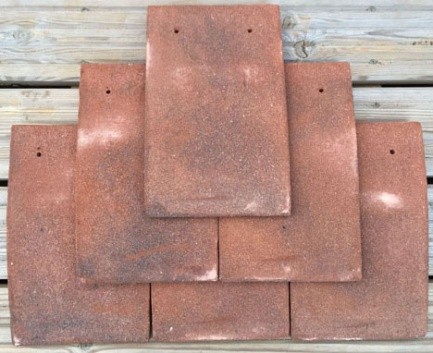
Clayhall Medium Blend - Carefully crafted to replicate all the features of handmade the Clayhall hand crafted range of tiles offers an excellent alternative when budget restrictions are a concern, but without compromising quality or durability.
Clayhall Dark Blend - Quality and durability in a budget clay roof tile. The Clayhall dark blend is sure to turn heads.
Clayhall Red Blend - A beautiful rustic clay roof tile. The Clayhall red blend is a firm favourite with our customers.
Clayhall Hamlet Mix - The Clayhall Hamlet mix is a gorgeous light and sandy looking clay roof tile that is a perennial favourite in the building trade.
Clayhall Birchwood Mix - The Clayhall Birchwood mix offers a gorgeous blend of lighter and darker shades in this diverse clay roof tile. If you are concerned that your roof tiles could look monotonous, the Clayhall Birchwood mix is the clay roof tile to choose.
The Conservation Range of roof tiles
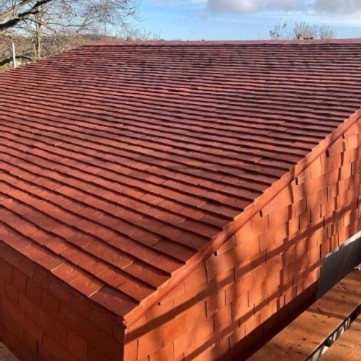
The Conservation range of roof tiles are available in a range of distinctive colours, created by using a very fine sand, The Conservation Weathered; A natural warm tone, achieving an instant mellow and settled look and The Conservation Red; perfect for vertical tiling especially suited for villages and hamlets with olde world vernacular charm.
Manufactured using high quality clay, achieving high strength and durability properties, giving homeowners and contractors peace of mind for many years to come. The conservation range comes with a complete set of associated fittings, including Hog Back Ridge, Half Round Ridge, Bonnet Hips, Valley tiles and External Angles.
The Conservation range of clay roof tiles comes in the following variations:
- Conservation Red
- Conservation Weathered
- Conservation Dark
Conservation Peg Tile
Plain clay roofing tiles laid to a double lap have been used for roof covering in England since before the Norman Conquest and tiles dating back to Roman Times have been discovered under excavation. From the outset clay plain tiles were made incorporating fixing features.
The Classic Edwardian roof tile
The Classic range of plain tiles is one of the finest ranges of clay tiles.
We source only the best raw materials for our craftsman to create beautifully handmade clay tiles of the highest quality and durability.
Tile Fittings available from Heritage Tiles
There are many fittings that are available from us a Heritage Tiles to complete your build to perfection. We stock and supply the following:
- Gable Tile
- Eave Tile
- Baby Porch Ridge
- 90 Degree Ext. Angle
- Universal Bonnet Hip
- Half Round Ridge
- Hogs Back Ridge
- Mono Ridge
- Third Round Ridge
- Universal Valley
- Ornamental Club
- Bat Tile Set
Bat Tiles:
Provide help for our bats with our range of bat friendly roof tiles.
Did you know that all UK bats and their roosts are protected by law? The Wildlife and Countryside Act introduced in 1981, gave legal protection to all bat species and their roosts in England.
Distinct species of bats prefer differing places to roost. The two most usually found species of bat in the UK are the Pipistrelle and Brown Long-Eared Bat. Pipistrelle prefer confined spaces such as under tiles on roofs and hanging spaces. The Brown Long-Eared Bat prefer roof timbers and ridges inside lofts. Heritage Clay Tiles can provide purpose made access points within your roof tiles or ridge tiles. The Bat Tile Set can form part of a mitigation package required by law for existing roosts or as potential access where a roost had not previously been present.
Select a Blend
Getting the right blend for your roofing project can feel daunting, but with our blend generator you can mix and match various blends of tiles to achieve the perfect blend.
Click here to make use of our online tool to choose your own unique blend.
Because our strict quality control provides a consistent tile size you can mix assorted styles and colours of tiles to make your roof unique to you. Please use the tool below to experiment with various blends.
Adjust the sliders to set the ingredients for your desired blend then click on the update mix button.
Alternatively click on any blend or tile to display it.
Whatever type of clay roof tile you want, Heritage Tiles will be able to help.
Bat Tiles
Bat tiles to boost the bat population
All bats that are native to the United Kingdom and their roosts are fully protected by law. The Wildlife and Countryside Act that was introduced in 1981, gave legal protection to all bat species and their roosts in England. The Conservation Regulations 1994 was amended most recently in 2007 and 2009 and is now better known as the Habitats Regulations, further strengthened this legal protection for bats.
Installing bat tiles to your property significantly improves the life and welfare of bats in the United Kingdom. Heritage Clay Tiles Ltd have a range of bat tiles that can help you to play your part in helping these fascinating little creatures out.
Bat tiles are not expensive, but the inclusion of them in your existing roof can be worth a fortune to our bat population. At a time when the bat population is most under threat, a simple step such as having a few sets of bat tiles installed into your roof could be the difference between seeing our bat species thrive, or the potential for them to die out altogether.
How serious are offences against bats?
Bat-related offences are actually arrestable. Some people think this is an exaggeration, but the law treats offences against bats very seriously indeed. The potential fine for each offence is £5,000 per bat. An offender can also be imprisoned for six months. If any property has been, or is suspected to have been, home to any number of bats, at any time, legislation requires taking advice and precautions when working on the roof. Legislation also requires provision to allow access for bats if they decide to return.
Bat tiles: Not a one size fits all solution
Distinct species of bats prefer differing places to roost. The two bat species that are most usually found in the United Kingdom are the Pipistrelle and Brown Long-Eared Bat. Pipistrelle prefer confined spaces such as under bat tiles on roofs and hanging spaces. The Brown Long-Eared Bat prefer roof timbers and ridges inside lofts. So, the bat tile may form the actual home for one bat, or the access point for others. Heritage Clay Tiles can provide purpose made access points within your roof tiles or ridge tiles. The Bat Tile Set can form part of a mitigation package required by law for existing roosts or as potential access where a roost had not previously been present.
A little information about Hampshire
Where is Hampshire?
Hampshire is a delightful and frequently visited ceremonial county in Southeast England. It is bordered by Berkshire to the north, Surrey and West Sussex to the east, the Isle of Wight across the Solent to the south, Dorset to the west, and Wiltshire to the north-west. Southampton is the largest settlement in Hampshire.
The county has an area of 1,455 square miles and had an estimated population of 1,920,959 as of 2024. Southampton is located in the south and the city of Portsmouth in the south-east; both are part of a larger conurbation. A conurbation is a group of settlements that are all linked by a continuous urban area. A second conurbation in the north-east includes Farnborough and Aldershot and extends into Berkshire and Surrey. The remainder of Hampshire is more rural, and its principal settlements include Basingstoke in the north, Andover in the north-west, and Winchester in the centre. For local government purposes Hampshire comprises a non-metropolitan county, with eleven districts, and two unitary authority areas: Portsmouth and Southampton. The county historically contained the towns of Bournemouth and Christchurch, which are now in Dorset, and the Isle of Wight.
The landscape of Hampshire
Picturesque, undulating hills characterise much of Hampshire. A belt of chalk crosses Hampshire from north-west, where it forms the Hampshire Downs, to south-east, where it is part of the South Downs. The county of Hampshire has some major rivers that rise in these hills; the Loddon and Wey drain north, into the Thames, and the Itchen and Test flow south into Southampton Water, a large estuary. In the south-east are Portsmouth Harbour, Langstone Harbour, and the western edge of Chichester Harbour, three large rias. The south-west of Hampshire contains the popular tourist attraction that is the New Forest, which includes pasture, heath, and forest and is one of the largest expanses of ancient woodland that still remains in England.
Settled about 14,000 years ago, Hampshire's recorded history dates to Roman Britain, when its chief town was Venta Belgarum, which is now Winchester. Hampshire was recorded in Domesday Book as divided into forty-four hundreds. From the 12th century, the ports settlements grew due to increasing trade with the European mainland resulting from the wool and cloth, fishing, and shipbuilding industries. This meant by the 16th century, Southampton had become more inhabited than Winchester. In 20th century conflicts, including World War One and Two, Hampshire played an absolutely crucial military role due to its ports. The Royal Navy in particular have a major presence in the Hampshire area.
History of Hampshire before the Roman Conquest
The Hampshire region is believed to have been continuously occupied since the end of the last Ice Age about 12,000 BCE. At that time sea levels were much lower, and Britain was still attached by a land bridge stretching from the East coast to the European continent and predominantly covered with deciduous woodland. The first inhabitants of Hampshire were Mesolithic hunter-gatherers. The majority of the population would have been concentrated around the river valleys. Over several thousand years the climate became progressively warmer and sea levels began to rise. The English Channel, which started out as merely a river, was a major inlet by 8000 BCE, although Britain was still connected to Europe by a land bridge across the North Sea until 6500 BCE. Notable sites in Hampshire from this period include Bouldnor Cliff.
Monuments of Hampshire
Agriculture was a major source of income and survival in southern Britain by 4000 BCE and with it a Neolithic culture. Some deforestation took place at that time, although during the Bronze Age, beginning in 2200 BCE, it became more widespread and systematic. Hampshire has very few monuments to show from those early periods of human habitation, although nearby Stonehenge was built in several phases at some time between 3100 and 2200 BCE. In the very late Bronze Age fortified hilltop settlements known as hillforts began to appear in large numbers in many parts of Britain including several in the Hampshire area, and they became more and more important in the early and middle Iron Age; many of them are still visible in the landscape today and can be visited, notably Danebury Rings. By that period, the people of Britain predominantly spoke a Celtic language, and their culture shared much in common with the Celts. The town of Bitterne in a reference from the late 11th century shares the same root as the River Erne, suggesting the name refers to the Iverni tribe.
The building of Hillforts largely declined in importance in the second half of the second century BCE, with many being abandoned. Probably around that period the first recorded invasion of Britain took place, as southern Britain was largely conquered by warrior-elites from Belgic tribes of northeastern Gaul, but whether those two events were linked to the decline of hillforts still remains unknown. By the time of the Roman conquest the oppidum at Venta Belgarum, modern-day Winchester, was the de facto regional administrative centre; Winchester was, however, of secondary importance to the Roman-style town of Calleva Atrebatum, modern Silchester, built further north by a dominant Belgic polity known as the Atrebates in the 50s BCE. Julius Caesar invaded south-eastern England briefly in 55 and again in 54 BCE, but he never actually reached Hampshire, much to the delight of the Hampshire inhabitants. Notable sites from this period include Hengistbury Head, which today is situated in Dorset, which was an important port in Hampshire.
Products available from Heritage Clay Tiles Ltd in East Sussex
Clay Roof Tiles in East Sussex
Clayhall Roof Tiles in East Sussex
Conservation Peg Tiles in East Sussex
Conservation Roof Tiles in East Sussex
Edwardian Roof Tiles in East Sussex
Georgian Roof Tiles in East Sussex
Handmade Clay Tiles in East Sussex
Handmade Roof Tiles in East Sussex
High Quality Roof Tiles in East Sussex
Traditional Clay Tiles in East Sussex
Traditional Roof Tiles in East Sussex
Victorian Roof Tiles in East Sussex
Products available from Heritage Clay Tiles Ltd in Essex
Conservation Peg Tiles in Essex
Conservation Roof Tiles in Essex
High Quality Roof Tiles in Essex
Traditional Clay Tiles in Essex
Traditional Roof Tiles in Essex
Products available from Heritage Clay Tiles Ltd in Hampshire
Clayhall Roof Tiles in Hampshire
Conservation Peg Tiles in Hampshire
Conservation Roof Tiles in Hampshire
Edwardian Roof Tiles in Hampshire
Georgian Roof Tiles in Hampshire
Handmade Clay Tiles in Hampshire
Handmade Roof Tiles in Hampshire
High Quality Roof Tiles in Hampshire
Traditional Clay Tiles in Hampshire
Traditional Roof Tiles in Hampshire
Victorian Roof Tiles in Hampshire
Products available from Heritage Clay Tiles Ltd in Hertfordshire
Clay Roof Tiles in Hertfordshire
Clayhall Roof Tiles in Hertfordshire
Conservation Peg Tiles in Hertfordshire
Conservation Roof Tiles in Hertfordshire
Edwardian Roof Tiles in Hertfordshire
Georgian Roof Tiles in Hertfordshire
Handmade Clay Tiles in Hertfordshire
Handmade Roof Tiles in Hertfordshire
High Quality Roof Tiles in Hertfordshire
Traditional Clay Tiles in Hertfordshire
Traditional Roof Tiles in Hertfordshire
Victorian Roof Tiles in Hertfordshire
Products available from Heritage Clay Tiles Ltd in Kent
Conservation Peg Tiles in Kent
Conservation Roof Tiles in Kent
High Quality Roof Tiles in Kent
Traditional Clay Tiles in Kent
Traditional Roof Tiles in Kent
Products available from Heritage Clay Tiles Ltd in London
Conservation Peg Tiles in London
Conservation Roof Tiles in London
Edwardian Roof Tiles in London
High Quality Roof Tiles in London
Traditional Clay Tiles in London
Traditional Roof Tiles in London
Victorian Roof Tiles in London
Products available from Heritage Clay Tiles Ltd in Surrey
Conservation Peg Tiles in Surrey
Conservation Roof Tiles in Surrey
Edwardian Roof Tiles in Surrey
High Quality Roof Tiles in Surrey
Traditional Clay Tiles in Surrey
Traditional Roof Tiles in Surrey
Victorian Roof Tiles in Surrey
Products available from Heritage Clay Tiles Ltd in West Sussex
Clay Roof Tiles in West Sussex
Clayhall Roof Tiles in West Sussex
Conservation Peg Tiles in West Sussex
Conservation Roof Tiles in West Sussex
Edwardian Roof Tiles in West Sussex
Georgian Roof Tiles in West Sussex
Handmade Clay Tiles in West Sussex
Handmade Roof Tiles in West Sussex
High Quality Roof Tiles in West Sussex
Traditional Clay Tiles in West Sussex
Traditional Roof Tiles in West Sussex
Victorian Roof Tiles in West Sussex
Products available from Heritage Clay Tiles Ltd in Bedfordshire
Clay Roof Tiles in Bedfordshire
Clayhall Roof Tiles in Bedfordshire
Conservation Peg Tiles in Bedfordshire
Conservation Roof Tiles in Bedfordshire
Edwardian Roof Tiles in Bedfordshire
Georgian Roof Tiles in Bedfordshire
Handmade Clay Tiles in Bedfordshire
Handmade Roof Tiles in Bedfordshire
High Quality Roof Tiles in Bedfordshire
Traditional Clay Tiles in Bedfordshire
Products available from Heritage Clay Tiles Ltd in Berkshire
Clayhall Roof Tiles in Berkshire
Conservation Peg Tiles in Berkshire
Conservation Roof Tiles in Berkshire
Edwardian Roof Tiles in Berkshire
Georgian Roof Tiles in Berkshire
Handmade Clay Tiles in Berkshire
Handmade Roof Tiles in Berkshire
High Quality Roof Tiles in Berkshire
Traditional Clay Tiles in Berkshire
Products available from Heritage Clay Tiles Ltd in Buckinghamshire
Clay Roof Tiles in Buckinghamshire
Clayhall Roof Tiles in Buckinghamshire
Conservation Peg Tiles in Buckinghamshire
Conservation Roof Tiles in Buckinghamshire
Edwardian Roof Tiles in Buckinghamshire
Georgian Roof Tiles in Buckinghamshire
Handmade Clay Tiles in Buckinghamshire
Handmade Roof Tiles in Buckinghamshire
High Quality Roof Tiles in Buckinghamshire
Traditional Clay Tiles in Buckinghamshire
Products available from Heritage Clay Tiles Ltd in Cambridgeshire
Clay Roof Tiles in Cambridgeshire
Clayhall Roof Tiles in Cambridgeshire
Conservation Peg Tiles in Cambridgeshire
Conservation Roof Tiles in Cambridgeshire
Edwardian Roof Tiles in Cambridgeshire
Georgian Roof Tiles in Cambridgeshire
Handmade Clay Tiles in Cambridgeshire
Handmade Roof Tiles in Cambridgeshire
High Quality Roof Tiles in Cambridgeshire
Traditional Clay Tiles in Cambridgeshire
Traditional Roof Tiles in Cambridgeshire
Victorian Roof Tiles in Cambridgeshire
Products available from Heritage Clay Tiles Ltd in Oxfordshire
Clay Roof Tiles in Oxfordshire
Clayhall Roof Tiles in Oxfordshire
Conservation Peg Tiles in Oxfordshire
Conservation Roof Tiles in Oxfordshire
Edwardian Roof Tiles in Oxfordshire
Georgian Roof Tiles in Oxfordshire
Handmade Clay Tiles in Oxfordshire
Handmade Roof Tiles in Oxfordshire
High Quality Roof Tiles in Oxfordshire
Traditional Clay Tiles in Oxfordshire
Products available from Heritage Clay Tiles Ltd in Suffolk
Clayhall Roof Tiles in Suffolk
Conservation Peg Tiles in Suffolk
Conservation Roof Tiles in Suffolk
Edwardian Roof Tiles in Suffolk
Georgian Roof Tiles in Suffolk
Handmade Clay Tiles in Suffolk
Handmade Roof Tiles in Suffolk
High Quality Roof Tiles in Suffolk
Traditional Clay Tiles in Suffolk
Traditional Roof Tiles in Suffolk
Victorian Roof Tiles in Suffolk
Further Information
If you would like to know more or are interested in a quote we would be happy to help. Phone us on 01634 471 344, email us at sales@heritagetiles.co.uk and we will be in touch as soon as possible.